

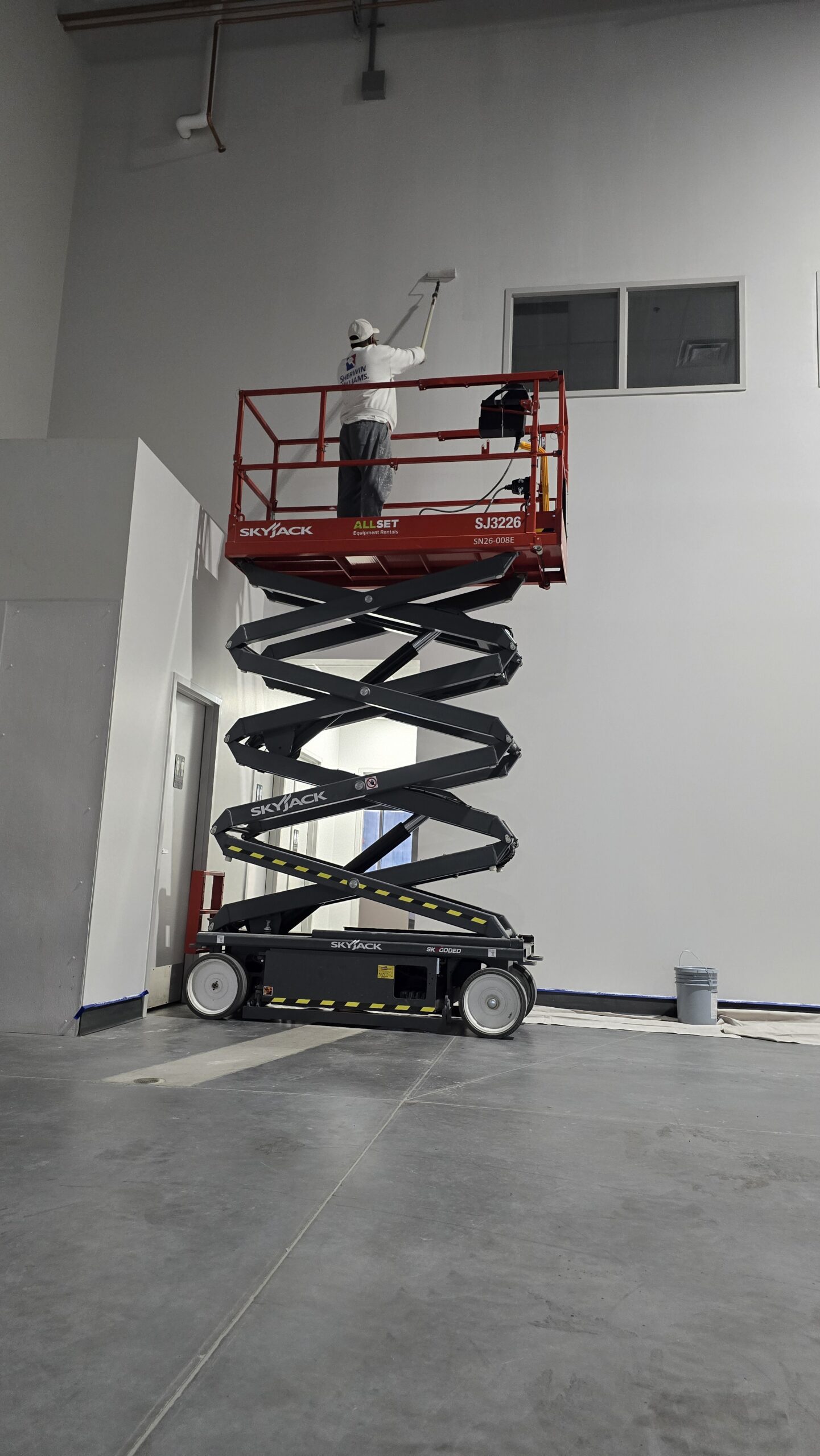
Exterior painting in Calgary is a different challenge from interior painting in almost every dimension — the stakes are higher because exterior paint is a protective barrier, not just a cosmetic choice; the conditions are more demanding because the paint needs to withstand Calgary’s UV exposure, temperature extremes, and precipitation; and the timing constraints are real because exterior painting has a relatively narrow window in Calgary’s climate when conditions are suitable. Getting it right requires understanding all three of these factors.
Calgary’s exterior paint environment is more demanding than most Canadian cities outside the mountains. The high-altitude UV exposure — Calgary sits at 1,048 metres, significantly higher than most major Canadian cities — accelerates paint degradation faster than homeowners who have moved from lower-elevation cities typically expect. A paint job that might last eight to ten years in Toronto or Vancouver may need repainting in five to seven years in Calgary, particularly on south and west-facing surfaces that receive the most direct sun exposure. Understanding this timeline helps homeowners budget appropriately and recognize when they are approaching the window before deterioration becomes damage rather than cosmetic decline.
When Calgary’s Climate Says It Is Time to Paint
The signals that exterior paint is reaching end of life are visible and progressive. Chalking — a powdery residue that comes off on your hand when you run it along the wall surface — is an early indicator that the paint’s binder is breaking down under UV exposure. At this stage, the paint is losing its protective ability and the underlying substrate is becoming increasingly vulnerable. Chalking paint can be primed and repainted; the powder needs to be removed first, typically by pressure washing, before new paint will adhere properly.
Peeling and flaking paint indicate that adhesion has failed — either because moisture has penetrated behind the paint film or because the original paint was applied over a surface that was not properly prepared. Peeling in patches, particularly on north-facing walls or areas that stay wet longer, often indicates moisture infiltration. The correct response is not just to repaint over the peeling areas; the source of the moisture needs to be identified and addressed, or the new paint will fail in the same places within a short time.
Fading is cosmetic rather than structural, but it is also a leading indicator of overall paint system condition. A dramatically faded exterior — particularly on south-facing walls — is telling you that the paint has been fully depleted of the pigment and UV-blocking compounds that give it both its colour and its protective function. Fading to the point where the original colour is barely recognizable means the paint has been past its functional life for some time.
The Calgary Exterior Painting Window
Exterior painting requires temperatures consistently above 10 degrees Celsius — both during application and for several hours afterward while the paint cures. In Calgary, this window runs from approximately mid-May through September, with June through August being the most reliable period. The challenge is that this window coincides with the busiest season for exterior painting contractors, which means planning and booking well in advance is important for homeowners who want their preferred contractor rather than whoever is available on short notice in August.
Fall painting — September and into early October in Calgary — requires careful attention to the forecast. A warm September can provide excellent painting conditions, but early-season frosts arrive with little warning and can damage paint that has not fully cured. A professional painter will monitor conditions carefully during fall work; homeowners doing DIY exterior painting in fall need to be particularly attentive to overnight temperatures and have a plan for protecting freshly painted surfaces if conditions change.
Substrate moisture is a critical condition for exterior painting regardless of season. Paint applied over wet or damp wood, siding, or masonry fails quickly because moisture trapped under the paint film causes blistering and peeling as it migrates out. In Calgary’s spring, wood siding and trim that has absorbed moisture over winter needs adequate drying time before painting — typically after a week or more of dry conditions and daytime temperatures that allow evaporation. This is one of the reasons spring painting, while tempting after a long winter, often produces worse results than summer painting despite the appealing temperatures.
Surface Preparation for Calgary Exterior Painting
Exterior preparation is even more critical than interior preparation because the consequences of adhesion failure are more significant — a peeling exterior paint job requires remediation that is more expensive and disruptive than a peeling interior wall. Proper exterior preparation includes pressure washing to remove chalk, dirt, mildew, and loose paint; scraping and sanding all areas where the existing paint has failed; caulking all gaps, joints, and penetrations in the exterior envelope; spot-priming bare wood, metal, and any areas where existing paint has been removed; and ensuring all surfaces are dry before painting begins.
Wood surfaces — particularly window trim, door frames, fascia boards, and any wood siding — that have areas of rot need to have the rotted material removed and replaced or treated with a wood hardener and filler before painting. Painting over soft, deteriorating wood is a temporary cosmetic fix that hides a structural problem and allows it to continue developing unseen.
Choosing the Right Paint for Calgary Exterior Conditions
For Calgary’s exterior conditions, premium 100-percent-acrylic latex exterior paints consistently outperform other options. They flex with the substrate as temperatures change — critical in a climate with extreme temperature swings — adhere well to properly prepared surfaces, and provide the UV resistance that Calgary’s high-altitude sun exposure demands. The cost difference between premium and entry-level exterior paint is small relative to the total project cost and significant relative to how long the paint job lasts.
Calgary Painter 4U handles exterior painting projects across Calgary with the preparation thoroughness and material knowledge that Calgary’s demanding exterior environment requires. Their team understands Calgary’s climate conditions, uses appropriate materials, and delivers finishes that protect and enhance homes for the long term. Reach them at 587-582-1973 or calgarypainter4u@gmail.com. Follow real project examples on Instagram and LinkedIn.